Serving all of South Carolina

Reserve Studies in South Carolina

Professional Reserve Study Services for Condominium Associations, Homeowners Associations (HOAs), Resorts, Commercial Properties, Municipalities, and Non-Profit Organizations throughout South Carolina.

South Carolina is known for sweet tea, Southern hospitality, beautiful beaches, and thriving communities. From the Palmetto-lined coast to the foothills of the Blue Ridge Mountains, Global Solution Partners helps condominium associations, homeowners associations (HOAs), resorts, and commercial properties protect their investments with professional Reserve Studies and long-term capital planning.

South Carolina properties range from historic condominium buildings and urban mixed-use developments to large suburban homeowners associations, coastal resorts, golf communities, and waterfront properties. Associations throughout Charleston, Columbia, Greenville, Myrtle Beach, Hilton Head Island, Spartanburg, Rock Hill, and the surrounding Lowcountry, Midlands, Upstate, and Grand Strand regions must plan for the long-term cost of maintaining roads, buildings, drainage systems, recreational facilities, and other shared assets.

Global Solution Partners provides professional Reserve Studies, Insurance Appraisals, Transition Studies, Property Condition Assessments (PCAs), and Engineering Services throughout South Carolina. We help associations and property owners evaluate upcoming capital needs, account for the effects of age and environmental exposure, and develop practical funding strategies for the buildings, infrastructure, and amenities they are responsible for maintaining.

Request a Proposal

What Is a Reserve Study?

A professional Reserve Study evaluates the major common-area components that an association is responsible for maintaining. Each component is inspected to determine its current condition, estimated remaining useful life, projected replacement cost, and the reserve funding needed to support future repairs and replacements.

Depending on the property, a South Carolina Reserve Study may include:

  • Roofing systems
  • Building exteriors and siding
  • Exterior painting and finishes
  • Asphalt roads and parking areas
  • Concrete sidewalks and curbing
  • Stormwater drainage systems
  • Retaining walls
  • Clubhouses and community buildings
  • Swimming pools and pool equipment
  • Tennis and pickleball courts
  • Fitness centers
  • Playgrounds
  • Fencing and gates
  • Security and access control systems
  • Site lighting
  • Irrigation systems
  • Landscaping improvements
  • HVAC systems serving common areas
  • Electrical systems
  • Plumbing systems serving common areas
  • Elevators (where applicable)
  • Fire protection systems
  • Waterfront structures, docks, and marinas (where applicable)

Each included component is evaluated to estimate its remaining useful life, anticipated replacement timing, current replacement cost, and the recommended reserve contribution needed to help the association maintain adequate funding for future capital expenditures.

Learn more about Reserve Studies →

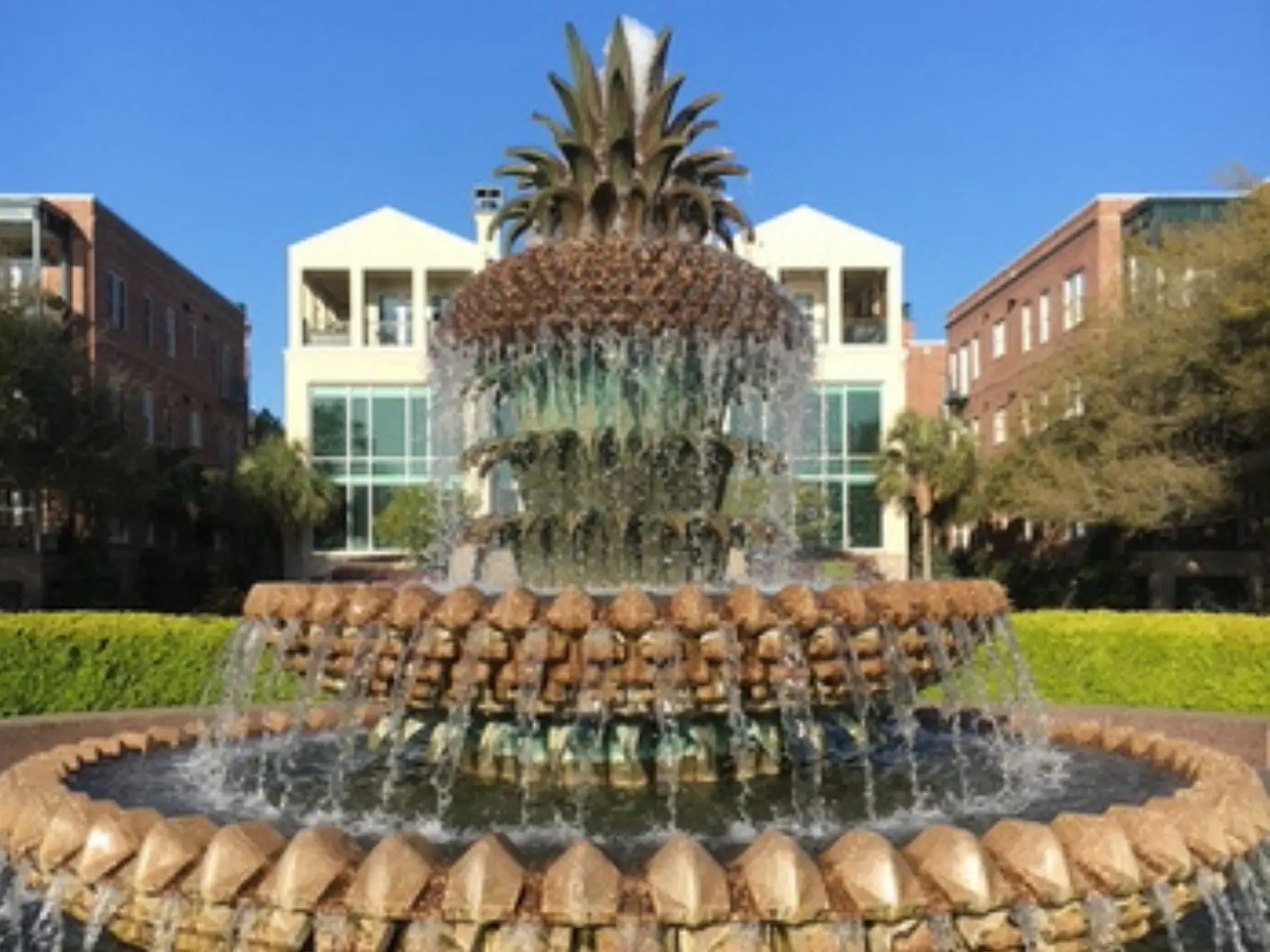
fountain in charleston SC neighborhood

Understanding South Carolina Reserve Study Requirements

South Carolina law does not require homeowners’ associations (HOAs) or condominium associations to obtain a Reserve Study or maintain a specific level of reserve funding. Instead, reserve funding responsibilities are generally established by an association’s declaration, bylaws, covenants, and other governing documents. The primary laws governing community associations in South Carolina are the South Carolina Homeowners Association Act, the South Carolina Horizontal Property Act (for condominiums), and, for many associations, the South Carolina Nonprofit Corporation Act. These laws establish requirements for association governance, budgets, records, meetings, and financial administration, but they do not mandate Reserve Studies or minimum reserve fund balances.

Although a Reserve Study is not required by South Carolina law, it is widely recognized as a best practice for responsible community management. A professionally prepared study helps boards evaluate common-area assets, estimate future repair and replacement costs, establish a long-term funding strategy, and reduce the risk of deferred maintenance, emergency borrowing, or unexpected special assessments. This supports informed decision-making and responsible stewardship of the association’s property and finances.

Why South Carolina Associations Choose Global Solution Partners
Reserve planning needs vary considerably across South Carolina. Coastal associations must account for salt exposure, wind-driven rain, humidity, storm activity, and the accelerated deterioration of exterior building components. Inland communities may be responsible for extensive private roads, drainage systems, retaining walls, pools, clubhouses, lakes, landscaping, and recreational facilities. Resort and golf communities often manage an even broader range of amenities that require coordinated long-term capital planning.

From oceanfront condominiums and resort communities to inland homeowners associations and master-planned developments, South Carolina associations share a common challenge: preparing today for tomorrow’s major capital repairs. A professionally prepared Reserve Study gives boards a practical roadmap for prioritizing projects, funding future replacements, reducing the likelihood of unexpected special assessments, and protecting the long-term value of the community.

Global Solution Partners has completed thousands of Reserve Studies throughout the United States. Every Reserve Study is overseen by a CAI Certified Reserve Specialist (RS) and prepared in accordance with the CAI National Reserve Study Standards, providing associations with reliable guidance for long-term capital planning and reserve funding. 

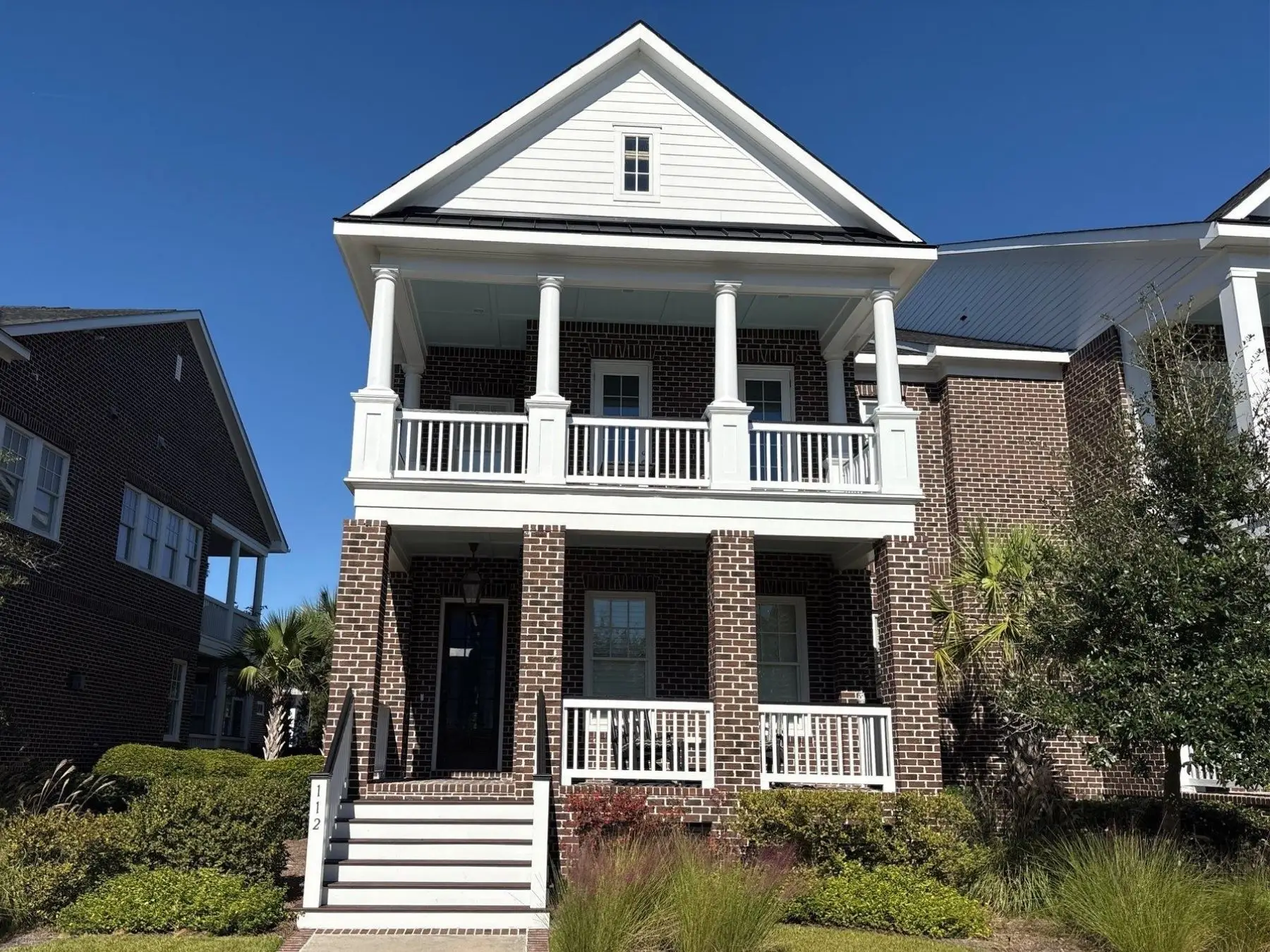
townhome in Charleston SC

Homeowners Association, Charleston, SC
high rise in Myrtle Beach SC

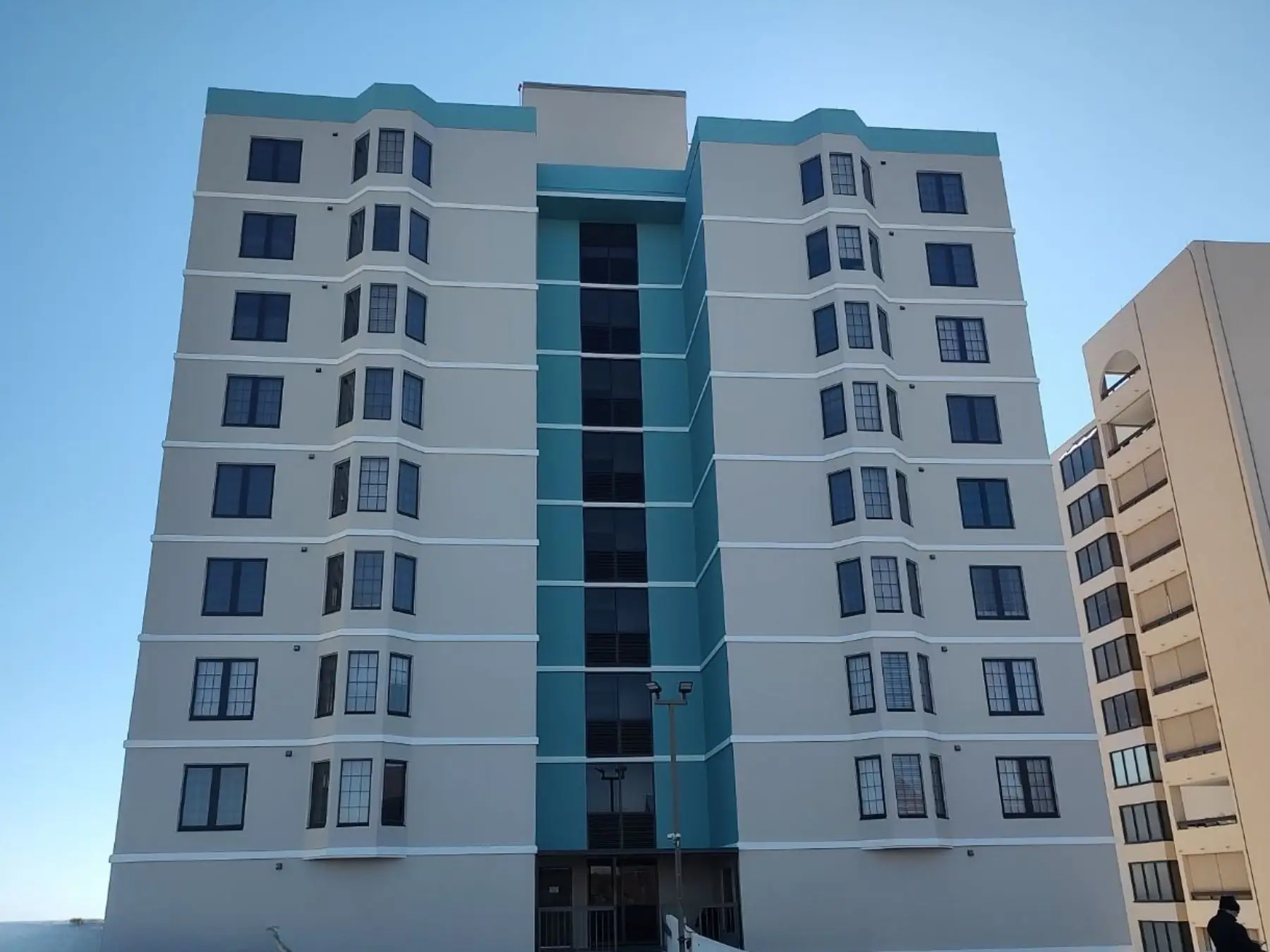
Condo in North Myrtle Beach, SC

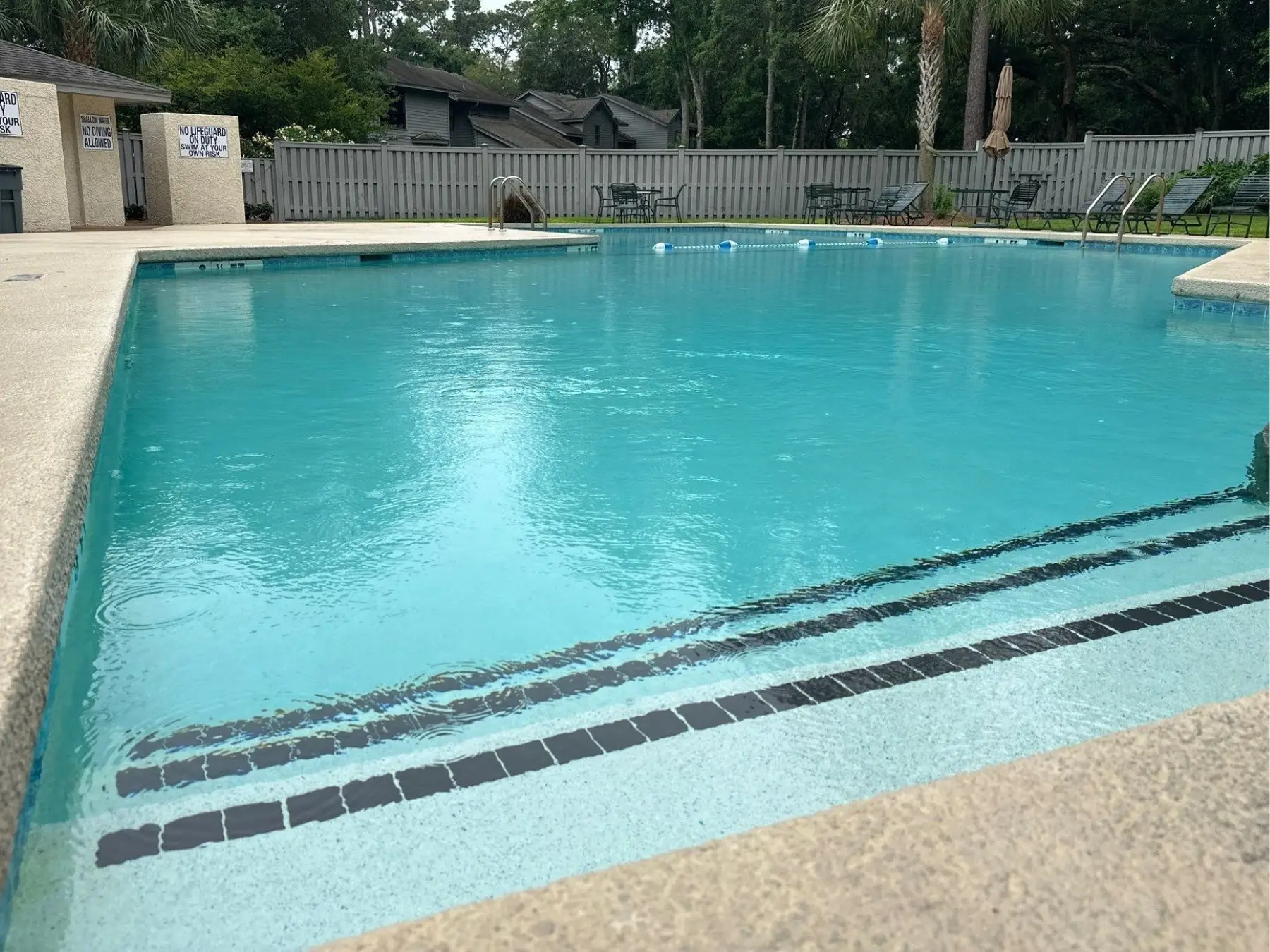
HOA in Hilton Head, SC 

Our South Carolina experience includes coastal condominiums, townhome communities, suburban homeowners associations, resort properties, commercial facilities, and amenity-rich developments. We have served properties across the Lowcountry, Grand Strand, Midlands, Upstate, and Pee Dee, including communities in Charleston, Mount Pleasant, Columbia, Greenville, Spartanburg, North Myrtle Beach, Hilton Head Island, and surrounding markets.

Here are just a few of the South Carolina communities and properties we have served:

  • Sea Marsh II – North Myrtle Beach, SC
  • Lake Forest – Hilton Head, SC
  • Treetops/Ocean Breeze – Hilton Head Island, SC
  • Riverbend – Charleston, SC
  • One Hamlin Place – Mount Pleasant, SC
  • Ralston Place Homeowners Association – Charleston, SC
  • Earlewood Commons – Columbia, SC
  • Pelham Oaks – Greenville, SC
  • The Ravines at Woodridge – Spartanburg, SC

Reserve Study Experience with Associations and Managers in South Carolina

See what community managers and board members have said about working with Global Solution Partners.

Service is great - would not change anything.

Carol R.
Association Manager
Charleston, SC

Everything was great! This is helpful for managers to bring to board meetings and use as a reference but not necessary since PDF's are provided via email.

Jamie W.
Community Association Manager
Mount Pleasant, SC

I am a fan of Global. You have amazing service.

Jessica T.
Association Manager
Johns Island, SC

Property Types We Serve

Global Solution Partners provides professional Reserve Studies for a wide range of association, resort, commercial, municipal, and non-profit property types throughout South Carolina.
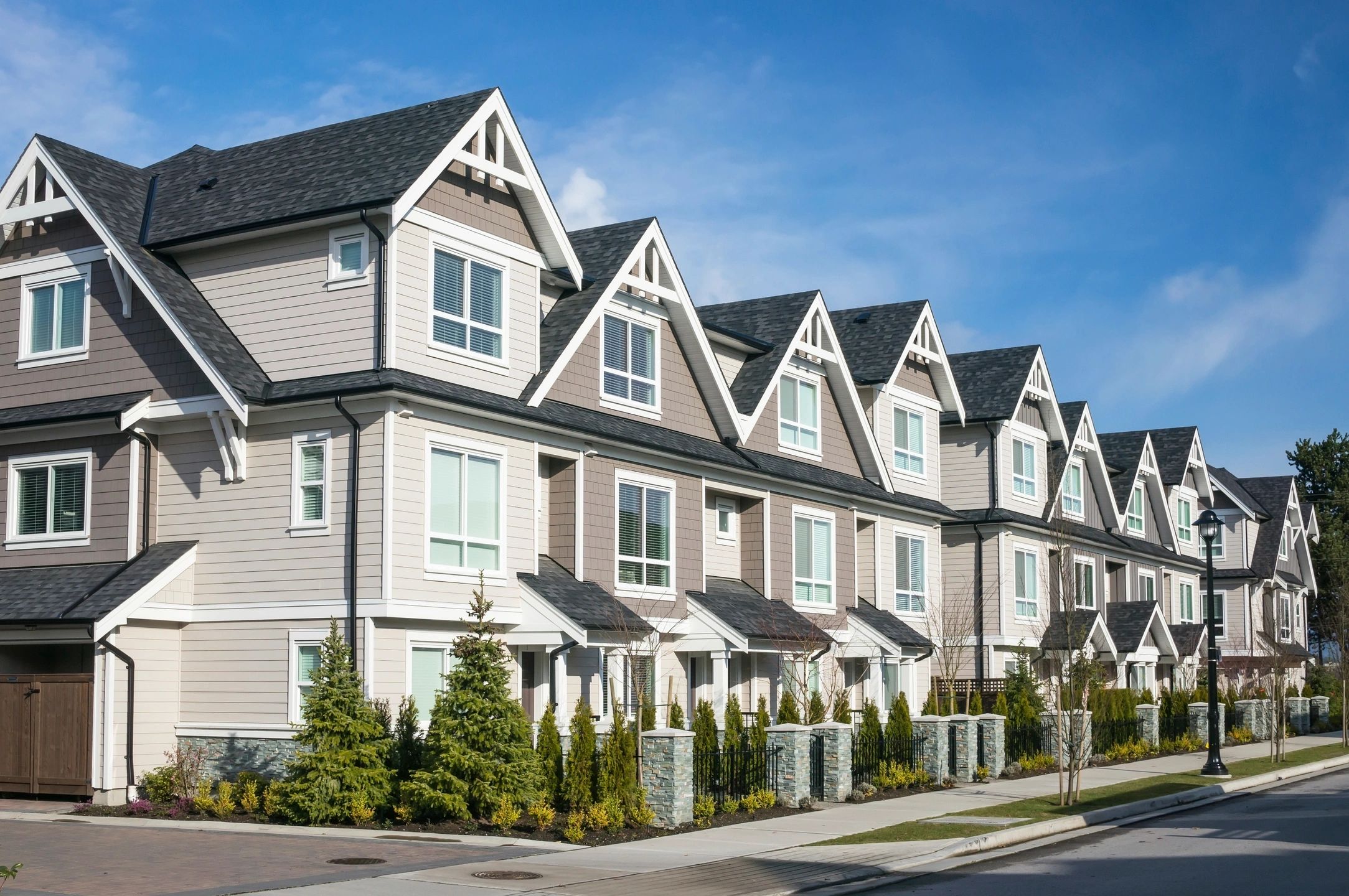
Homeowners Associations and Condominium Associations

South Carolina is home to thousands of community associations, including condominium associations, homeowners associations (HOAs), golf communities, master-planned developments, townhome communities, and mixed-use neighborhoods. Global Solution Partners provides professional Reserve Studies throughout Charleston, Columbia, Greenville, Myrtle Beach, Hilton Head Island, Mount Pleasant, Summerville, Bluffton, Spartanburg, Rock Hill, and communities across South Carolina.
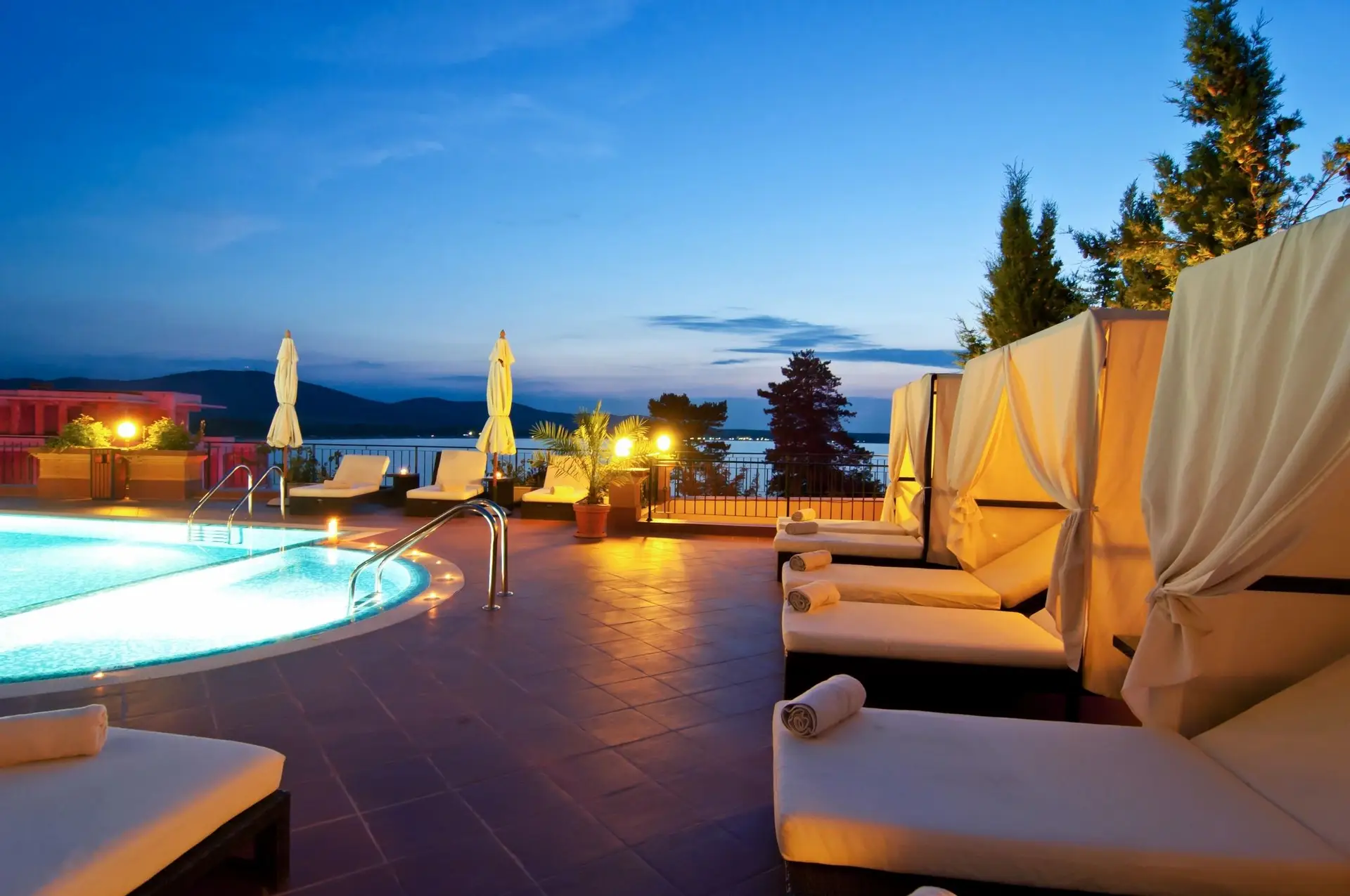
Resorts and Timeshare Properties 

South Carolina is home to some of the nation's most recognizable resort destinations, including Myrtle Beach, Hilton Head Island, Kiawah Island, Seabrook Island, Isle of Palms, Wild Dunes, Fripp Island, and the Grand Strand. Global Solution Partners provides Reserve Studies for resorts, vacation ownership properties, golf communities, hotels, and hospitality properties, helping owners plan for future capital improvements while maintaining exceptional guest experiences. Global Solution Partners is proud to serve as a preferred Reserve Study vendor for Marriott Vacations Worldwide.

Commercial and Non-Profit Organizations

Global Solution Partners also prepares Reserve Studies for commercial properties and non-profit organizations throughout South Carolina, including office buildings, retail centers, industrial facilities, churches, schools, healthcare campuses, recreational facilities, and mixed-use developments. Our Reserve Studies help organizations identify long-term capital needs, prioritize major repair and replacement projects, develop sustainable funding strategies, and protect the long-term functionality and value of their facilities.

Frequently Asked Questions

Does South Carolina law require Reserve Studies?

South Carolina law does not generally require condominium associations or homeowners associations (HOAs) to obtain a Reserve Study or maintain a specific level of reserve funding. Reserve funding responsibilities are typically established through the association’s declaration, bylaws, covenants, budgets, and other governing documents.

Even when a Reserve Study is not legally required, professional reserve planning is widely considered a best practice for responsible financial management and long-term property maintenance.

Do South Carolina HOA and condominium associations need a Reserve Study?

Any South Carolina association responsible for maintaining significant shared property can benefit from a Reserve Study, particularly when the community maintains buildings, private roads, drainage systems, pools, clubhouses, waterfront structures, or other costly common-area assets.

A Reserve Study helps the board understand future repair and replacement costs, evaluate whether current reserve contributions are adequate, and develop a funding strategy that reduces reliance on unexpected special assessments or loans.

Why are Reserve Studies especially important for South Carolina coastal communities?

South Carolina’s coastal communities face environmental conditions that can accelerate the deterioration of common-area assets. Condominium associations and homeowners associations (HOAs) along the coast, from Myrtle Beach and the Grand Strand to Charleston, Mount Pleasant, Kiawah Island, Hilton Head Island, Beaufort, and Bluffton, must plan for the long-term effects of salt air, high humidity, intense sunlight, heavy rainfall, tropical storms, and hurricane exposure.

These conditions can shorten the useful life of common-area components such as:

  • Roof systems
  • Building exteriors and siding
  • Exterior paint and protective coatings
  • Windows and doors
  • Balconies and railings
  • Waterproofing systems
  • Boardwalks and beach access structures
  • Docks, piers, and marinas
  • Swimming pools and pool equipment
  • Clubhouses and amenity buildings
  • Parking lots and roadways
  • Stormwater drainage systems

A professionally prepared Reserve Study helps South Carolina coastal associations estimate future repair and replacement costs, establish appropriate reserve funding, reduce the likelihood of unexpected special assessments, and protect the community’s long-term financial health.

How does a Reserve Study benefit South Carolina communities?

South Carolina communities often maintain a variety of common-area amenities and infrastructure, including:

  • Swimming pools
  • Clubhouses
  • Fitness centers
  • Tennis and pickleball courts
  • Walking trails
  • Playgrounds
  • Lakes and ponds
  • Gated entrances
  • Community parks
  • Golf course amenities

While these assets enhance property values and resident lifestyles, they also require ongoing maintenance and periodic replacement. A Reserve Study helps the board identify future capital needs and develop a long-term funding strategy for maintaining these assets responsibly.

Why should communities in South Carolina obtain a Reserve Study?

  • Support responsible financial planning. A Reserve Study provides the board with reliable information about future capital expenses, allowing it to make more informed budgeting and funding decisions.
  • Protect property values. Planning for major repairs and replacements helps the association maintain its buildings, infrastructure, and amenities before deferred maintenance becomes a larger problem.
  • Create a repair and replacement plan. The study identifies major common-area components, estimates when work may be needed, and projects the cost of future repairs and replacements.
  • Reduce reliance on special assessments and loans. Building reserves gradually can lessen the financial burden on owners when major projects become necessary.
  • Distribute costs more fairly. Appropriate reserve contributions help current and future owners share the long-term cost of maintaining the community’s common property.
  • Provide useful financial information. Buyers, lenders, insurers, and other interested parties may review an association’s reserve funding when evaluating the community’s overall financial condition.

What components are included in a Reserve Study?

A Reserve Study evaluates the common-area components an association is responsible for maintaining. Depending on the property and the association’s maintenance responsibilities, these components may include:

  • Roof systems
  • Building exteriors
  • Exterior painting
  • Waterproofing systems
  • Elevators
  • Swimming pools
  • Clubhouses
  • HVAC systems
  • Plumbing systems
  • Electrical systems
  • Asphalt roads and parking areas
  • Sidewalks and retaining walls
  • Stormwater drainage systems
  • Site lighting
  • Security and access control systems
  • Recreational amenities
  • Waterfront structures, docks, and marinas

The final component list is based on the association’s governing documents, property configuration, and responsibility for maintaining each asset.

How much does a Reserve Study cost?

The cost of a Reserve Study depends on several factors, including the property’s size, number of buildings, age, amenities, common-area components, available documentation, and overall complexity. Larger communities and properties with extensive amenities generally require more detailed evaluations. Contact Global Solution Partners for a customized proposal based on your property’s specific needs.

How long does a Reserve Study take to complete?

Project timelines vary depending on the property’s size, document availability, site visit scheduling, and the complexity of the community. Global Solution Partners strives to complete most Reserve Studies within approximately 30 days after receiving the necessary information and completing the property review.

Why are Reserve Studies important for South Carolina condominium associations and HOAs?

South Carolina condominium associations and HOAs may be responsible for assets that require significant expenditures over the life of the community. Roof replacement, exterior repairs, road resurfacing, drainage improvements, pool renovations, and equipment replacement can create substantial financial obligations.

A Reserve Study allows the board to anticipate these expenses, budget for them over time, and make decisions based on a documented long-term plan rather than reacting only when major repairs become necessary.

What are reserve funds?

Reserve funds are association funds set aside to pay for future major repairs, replacements, and capital projects involving common-area property. Associations typically contribute to these accounts over time so that funding is available when buildings, infrastructure, amenities, and major equipment require significant work.

Can a Reserve Study help reduce special assessments?

Yes. A Reserve Study cannot prevent every unexpected expense, but it can significantly improve an association’s ability to prepare for predictable capital projects. By identifying future costs and recommending appropriate reserve contributions, the study helps the association build funding gradually instead of relying entirely on a special assessment or loan when major work becomes necessary.

How often should a South Carolina association update its Reserve Study?

Associations should update their Reserve Studies regularly because construction costs, inflation, reserve balances, component conditions, and project schedules change over time. Many associations update their studies every three to five years, with more frequent reviews when major projects are completed, funding levels change, or property conditions develop differently than expected.

How do I request a Reserve Study proposal?

Requesting a proposal is easy. Contact Global Solution Partners with information about your property, including its location, number of units, building type, age, number of buildings, and common-area amenities. Our team will review your needs and provide a customized proposal for a professional Reserve Study.

The Professionals Behind Your Reserve Study

Meet some of the reserve study professionals who help support association clients throughout the South Carolina area.

Phil Halpin, RS
Resorts Team Leader

Phil brings extensive experience in Reserve Studies for condominium associations, homeowners associations (HOAs), resorts, commercial properties, and mixed-use developments.

headshot for Sarah, RS

Sarah Eastridge, RS 
Project Manager 

Sarah manages Reserve Study projects for community associations, homeowners associations (HOAs), and condominium associations. She works closely with clients to keep projects on track, providing responsive communication and dependable support from start to finish.

Kyle Jackson, P.E., RS
Site Specialist Team Leader

Based in the Charleston metropolitan area, Kyle oversees GSP’s Site Specialist team and performs field evaluations for reserve study projects nationwide, with extensive experience serving large associations, resort properties, and other complex developments.